



Golden Retriever Food Stealing: Habit or Guarding?
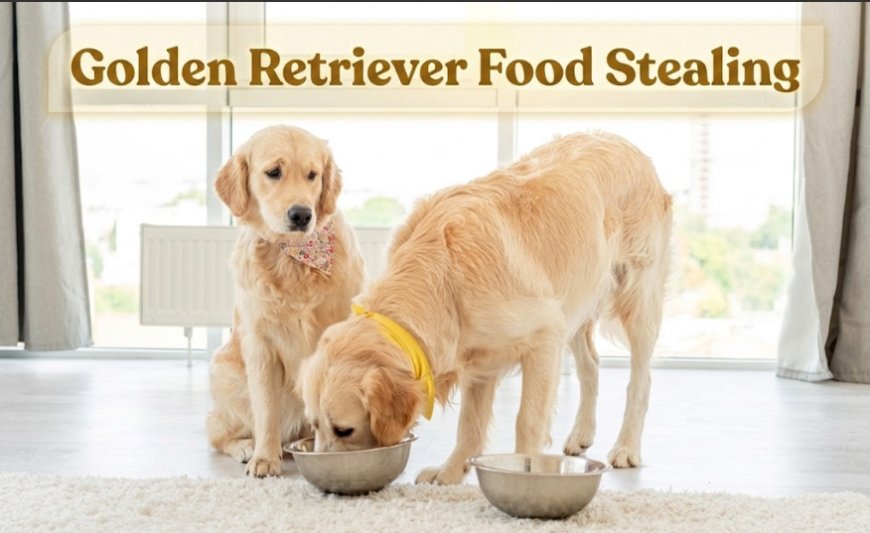
Golden Retrievers and food are not just friends. They are committed. Ellie, my senior Golden, once located a forgotten granola bar inside a zipped pocket of a backpack I'd left on a chair three rooms away. She didn't eat the backpack. She just sat next to it and stared at me until I dealt with it.
My point is, food awareness is baked deep into this breed. So when your Golden swipes something off the counter, snatches food from a child's hand, or tries to claim whatever's in someone else's bowl, the default reaction is usually "typical Golden." And sometimes, honestly, it really is just that. But sometimes it isn't. And that difference matters more than most owners realize until the behaviour has already gotten worse.
1. The Two Very Different Reasons Your Golden Steals Food
Not all food-related behaviour comes from the same place, and treating them the same way is one of the most common mistakes I see new owners make.
Opportunistic stealing is exactly what it sounds like. Your Golden spots unattended food and goes for it. No tension, no hovering, just a quick grab and a guilty-but-thrilled expression. This is rooted in scavenging instinct. Goldens were bred with a high food drive, and noticing food and pursuing it is genuinely natural for them. It doesn't mean your dog is dominant, anxious, or out of control. It usually means they're a Golden.
Resource guarding is different, and it matters. A dog who is guarding food doesn't necessarily steal it first. They hover near their bowl. They stiffen when someone walks past while they're eating. They eat unusually fast, or they become visibly tense any time food is nearby. When they do take food, the energy around it changes. They're not playful about it. They take it and they don't want you anywhere near it.
These two behaviours require completely different responses. Confusing them leads owners to either under-react (laughing off guarding signals until they escalate) or over-correct stealing in a way that introduces anxiety around food where there wasn't any before.
2. Resource Guarding in Goldens: Why It Surprises People
There's a widespread belief that Golden Retrievers don't resource guard because they're friendly, gentle dogs who want to be everyone's best friend. This is partly true, and partly just a story we tell ourselves because we love them.
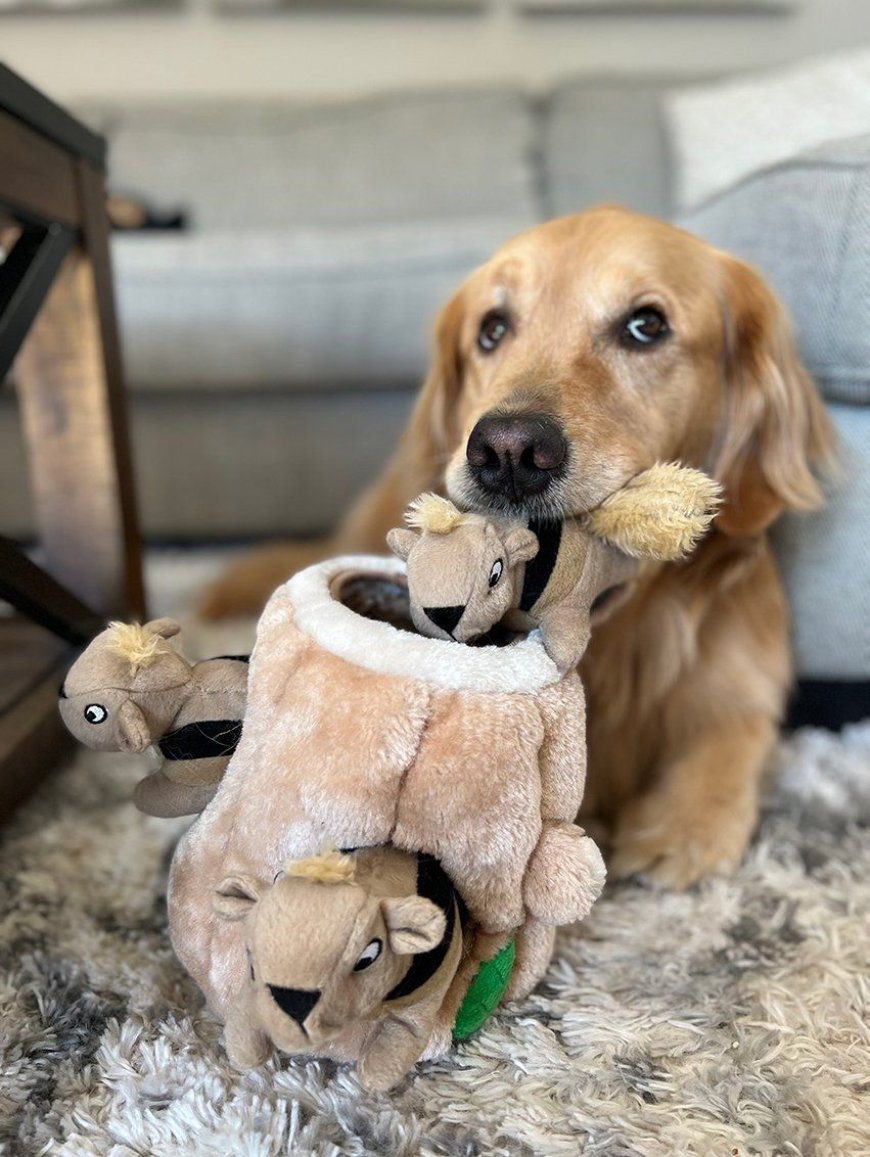
Goldens have a generally lower guarding instinct compared to breeds like German Shepherds or Rottweilers. But resource guarding isn't really a breed trait as much as it is a self-preservation response, and any dog can develop it. The triggers are often environmental: competition for food in a multi-pet household, past food insecurity (especially in rescues), being repeatedly interrupted during meals without ever learning that the interruption leads to something good.
I've heard from a lot of readers at Golden Retriever Info who were genuinely surprised when their sweet, sociable Golden started growling near their food bowl. The surprise makes sense. Readers who come to this breed often come expecting patience and tolerance, not tension. But stress and learned associations don't always follow the breed reputation.
Early resource guarding signals in Goldens tend to be subtle. It's not the dramatic snarling you might picture. It's slower eating when you enter the room. A slight body stiffening. Ears that go a little back. And because it doesn't look obviously threatening, owners miss it, or they notice it and shrug it off as nothing.
If your Golden's behaviour around food has any of that quality to it, it's worth addressing early. You might also find it useful to read about 5 Golden Retriever behaviour mistakes owners repeat, since brushing off early guarding signals is one of them.
3. How to Tell Which One You're Actually Dealing With
Here's a quick-reference chart for sorting it out. I've found it helps to look at the overall pattern of behaviour, not just one single moment.
| Behaviour | Opportunistic Stealing | Resource Guarding |
|---|---|---|
| Body language when taking food | Loose, wiggly, often playful | Stiff, low posture, focused |
| What happens after taking food | Runs, plays, looks goofy | Crouches over it, stays very still |
| Reaction when approached while eating | Might pause, generally relaxed | Eats faster, tenses up, may growl |
| Behaviour in a multi-pet home | Tries to steal others' food playfully | Blocks access, may growl at other pets |
| Main trigger | Unattended food anywhere | Food in their possession or vicinity |
| Pattern over time | Random and opportunistic | Consistent near food or valued items |
That last row is often the clearest signal. Consistent tension near food, not present in other situations, is what separates a guarding pattern from a general "this dog is a furry garbage disposal" situation.
It's also worth paying attention to meal speed. Speed eating is sometimes dismissed as just a Golden being a Golden, but it can be a stress response, and it has its own health implications on top of that. The best food for Golden Retrievers in 2026 guide covers feeding routines in detail, including portions and bowl types that help naturally slow things down.
4. What Actually Works for Each Type
The approach depends entirely on what you're dealing with, so let's separate them.
For opportunistic stealing:
Management is your first tool. Goldens who steal from counters do it because counters are accessible and rewarding, every successful counter-surf reinforces the habit. The fastest fix isn't a harsh reprimand, it's removing the opportunity while you build the right response in the dog. Clear surfaces when you're not supervising. Use a baby gate to limit kitchen access. Practice "leave it" consistently, starting with lower-value items before you expect it to hold when there's a chicken breast sitting three inches from their nose.
And scolding after the fact doesn't work. I know it feels like it should. But a Golden who steals food and gets scolded 30 seconds later mostly experiences confusion, not consequence.
For resource guarding:
This needs a more careful approach. The most common mistake is correcting guarding through forceful take-aways, pushing your hand into the bowl while your dog eats, or scolding growling. All of these make guarding worse over time, not better, because they confirm the dog's belief that their food is under constant threat.
What actually works is teaching your Golden that your presence near their food predicts something good. Start by walking past the bowl during meals and tossing a high-value treat nearby without bending down or reaching in. Do this consistently until your dog looks up with anticipation rather than tension. Then build slowly from there.
If guarding involves snapping or has gone beyond mild stiffening, that's a job for a certified animal behaviourist, not just a general obedience class. An animal behaviourist specifically, because guarding that has reached a physical warning level needs someone trained in behaviour modification rather than basic commands.
And if your Golden is showing anxiety more broadly, including separation distress or over-attachment, Golden Retriever separation anxiety can sometimes feed directly into resource guarding behaviour as well. It's worth looking at the full picture.
5. The Pattern Owners Keep Missing
The most common thing I see happen is that owners address the stealing but never notice the guarding signals running quietly alongside it. Or the reverse: they get so focused on possible guarding behaviour that they over-manage a dog who is genuinely just a cheerful opportunist with zero anxiety attached to any of it.
Spend a few days simply observing your Golden at mealtimes, not during the steal. Watch what their body looks like when they eat. Notice whether anything shifts when you walk into the kitchen while their bowl is down. Pay attention to what happens in the moment after they've taken something.
The information is there. Most of us just aren't looking at the right moment.
If your Golden's relationship with food and with commands generally seems more tangled than expected, it may also be worth reading why Golden Retrievers ignore commands around other dogs. High distraction around food is often part of the same picture. Golden Retriever Info covers a lot of the nuanced behaviour patterns that catch newer owners off guard. Food, it turns out, is where a lot of it starts.
Has your Golden always been an opportunist, or have you noticed any of those subtler guarding signals? Drop it in the comments. I'm genuinely curious where people's dogs tend to fall.
FAQs
1. My Golden steals food and then runs with it. Is that resource guarding?
Probably not. Running off with food while looking back to see if you'll chase them is usually opportunistic stealing with a bonus game added in. Resource guarding looks more like crouching over the item and becoming very still and tense, not bouncing around with it. Still worth addressing with "leave it" training, but it's a very different situation from guarding.
2. Is food stealing worse in Golden puppies than in adults?
Yes, generally. Puppies have almost no impulse control and they explore everything, including your sandwich. It's extremely common in the first year and doesn't automatically signal a behavioural problem. Consistent "leave it" practice during puppyhood makes a real difference by the time they're fully grown, so starting early is worth it even if the behaviour seems minor right now.
3. My Golden guards their bowl from our other dog but not from people. Should I be concerned?
Worth monitoring, but not automatically a red flag. Some dogs are relaxed with people near food but tense with other animals, especially in homes where food competition has ever existed. Feeding both dogs separately, without visual access to each other's bowls, helps significantly. If it escalates to actual aggression between the two over resources, bring in a professional.
4. Can an adult Golden actually be trained out of counter-surfing if it's already well established?
Yes, though it takes longer than starting from puppyhood. The approach is the same: management to stop the behaviour from being rewarded, consistent "leave it" practice with positive reinforcement, and enough mental stimulation so your dog isn't scanning the kitchen out of sheer boredom. Bored Goldens are very, very creative Goldens.
5. How do I know when resource guarding needs a professional?
If your Golden has growled, snapped, or shown any physical warning towards a person around food, contact a certified animal behaviourist sooner rather than later. Guarding that has reached that level needs someone trained in behaviour modification specifically, and earlier intervention is always easier. Guarding that gets minimized tends to escalate, not resolve on its own.
What's Your Reaction?
 Like
0
Like
0
 Dislike
0
Dislike
0
 Love
0
Love
0
 Funny
0
Funny
0
 Angry
0
Angry
0
 Sad
0
Sad
0
 Wow
0
Wow
0