

















Golden Retriever Ear Infections: Why They Keep Coming Back
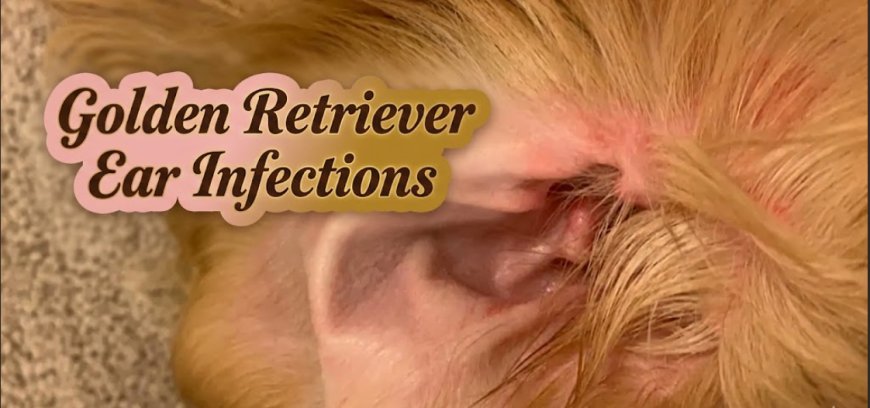
The most common pattern I see isn't the first ear infection. It's the fifth.
A reader reached out through Golden Retriever Info a while back — her three-year-old Golden had been treated for ear infections three times in twelve months. Same smell, same head shaking, same vet visit, different round of medication. It would clear up for six or eight weeks, and then they were back at square one. Her vet had been kind about it, but nobody had sat down and explained why it kept happening.
What she thought was a recurring problem with the ear was a recurring response to a problem that had never been identified.
That's the whole issue with ear infections in Goldens. They almost never keep returning because the treatment failed. They return because the treatment addressed the infection and nothing else. The infection is the symptom. Finding out why the infection is setting up in the first place — that's the part that stops the cycle.
1. The Anatomy That Sets Golden Retrievers Up for This
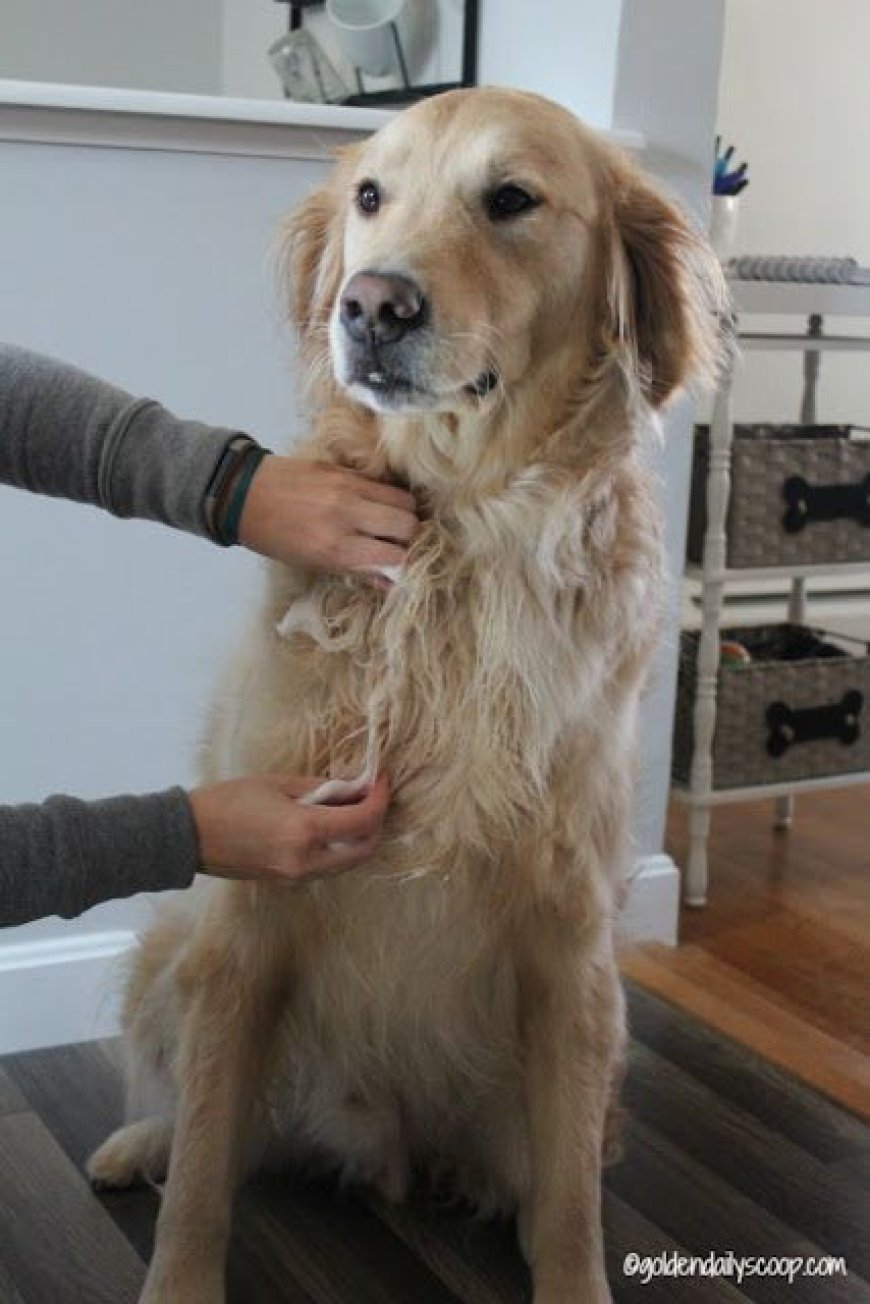
There's a structural reason Goldens are predisposed to ear problems, and it has nothing to do with the owner doing anything wrong. Their heavy, pendulous ears fold down over the canal opening and trap warm, moist air against the skin inside. Bacteria and yeast, particularly a yeast called Malassezia, grow best in exactly that kind of warm, humid, low-airflow environment. The ear essentially creates a perfect incubation chamber on its own, without any external help.
The shape of a dog's ear canal compounds this. Unlike the relatively straight human ear canal, a dog's canal makes an L-shape — it runs downward vertically before turning horizontal toward the eardrum. Debris, wax, and moisture collect in the lower portion of that bend, and they don't drain out naturally. In Goldens with narrow canals or thick ear hair, this accumulation happens faster.
Speaking of ear hair: there is genuine disagreement among vets about whether plucking hair from the ear canal helps or hurts. Some argue it opens up airflow and reduces debris accumulation; others say the micro-trauma from plucking makes the canal skin more vulnerable to infection. If your vet recommends plucking for your specific dog, follow their guidance on technique carefully, because it's easy to do incorrectly in ways that cause more harm than good. If they haven't mentioned it, don't assume you should be doing it.
Goldens also happen to love water. Ear anatomy plus swimming is an especially reliable combination for recurring infections — which is why post-swim ear care matters so much, and why I'll come back to that.
2. What's Actually Driving the Recurrence
If your Golden has had three or more ear infections in a year, allergies are the most likely culprit. Not ear problems. Allergies.
Chronic allergic inflammation changes the environment inside the ear canal. The skin barrier weakens, sebum production increases, pH shifts — and the result is an environment where Malassezia yeast thrives and bacteria can establish easily. Treat the infection, the symptoms clear. But the allergy is still there. The canal environment never fully normalizes. Six weeks later, the same conditions are back and the infection follows.
Golden Retrievers are genetically predisposed to both food allergies and environmental allergies. Environmental allergens — pollen, mold, grass, dust mites — tend to produce seasonal patterns. Ear infections that cluster in spring or fall, or that correspond to your dog spending more time outdoors, point toward environmental triggers. Food allergies produce year-round infections because the trigger is in every meal. Common food allergens in dogs include chicken, beef, dairy, and wheat, though the only reliable way to identify the specific trigger is a properly conducted elimination diet. [INTERNAL LINK: golden retriever food allergies guide]
Moisture is the second major driver, separate from allergies. Water that gets into the lower portion of the ear canal during swimming or bathing doesn't drain out on its own — it sits in that bend, warm and undisturbed, for hours. In dogs that swim frequently without proper post-swim ear care, this creates a reliable chronic wet environment that doesn't need an allergy to produce recurrent infections.
The third cause is incomplete treatment, and this one is worth being direct about. When owners stop ear medication as soon as the dog stops showing symptoms — usually around day four or five of a ten-day course — the infection hasn't fully resolved. It's suppressed enough that the dog isn't scratching anymore, but viable bacteria or yeast remain. They regrow over the next few weeks, and within a month the infection is fully back. The dog seems fine, so the owner assumes the ears are fine, and no one is looking until the next full flare.
Here's the difference between the two most common infection types, because treating the wrong one is also part of why ears keep cycling:
| Bacterial Infection | Yeast (Malassezia) Infection | |
|---|---|---|
| Discharge color | Yellow, green, or brown | Brown to black, waxy |
| Smell | Sharp, foul | Musty, like corn chips |
| Consistency | Liquid to paste | Waxy, thick |
| Primary treatment | Antibiotic ear drops | Antifungal ear drops |
| Common trigger | Water exposure, trauma, bacteria overgrowth | Allergies, heat, excess moisture |
| Recurrence pattern | Often after swimming or bathing | Often seasonal or year-round |
Many dogs present with both simultaneously. A cytology — your vet swabbing the ear and examining the sample under a microscope — is the only way to know what's actually growing. If your vet is prescribing the same drops every visit without doing cytology, ask specifically for it. Treating a yeast infection with antibiotics does nothing for the yeast, and may actually disrupt the bacterial balance in ways that worsen the overall environment.
3. Three Misconceptions That Keep People Stuck
The first and most persistent: "The antibiotics didn't work." They almost certainly did. The infection resolved. But the underlying condition — the allergy, the wet ear environment, the structural predisposition — was still in place. The same conditions reassembled and the infection returned. That is not antibiotic failure. That is incomplete management of the root cause.
Second: cleaning the ears more frequently prevents infections. This feels logical. It is not reliably accurate. The ear has its own self-cleaning mechanisms that function well in a healthy dog. Over-cleaning disrupts the normal ear environment, strips protective oils, and irritates the canal skin — which actually increases vulnerability to infection. Routine cleaning for a Golden with no current infection and no known ear issues: once every two to four weeks with a vet-appropriate cleanser, plus after swimming or bathing. More than that, unless specifically directed by a vet, tends to cause problems rather than prevent them. And cotton balls pushed into the ear canal without a proper cleaning solution don't reach the lower portion of the L-shaped canal. They move debris around in the outer ear and leave residual moisture in the section that matters most.
Third: if the dog isn't scratching, the ear is fine. This one I know personally. Ellie had a low-grade yeast infection that I missed for weeks because she wasn't doing anything visually obvious. No excessive head shaking, no pawing. There was a faint smell that I noticed a few times and dismissed as just, well, dog. By the time we got to the vet, the infection was significant enough that it took longer to clear than it should have. Regular ear checks — visually looking inside, and actually smelling the ear, which sounds strange but a healthy ear has essentially no notable odor while an infected ear usually does — catch problems before they escalate. [INTERNAL LINK: how to check your golden retrievers ears]
4. Breaking the Cycle — What Has to Change
If you've treated three or more ear infections in twelve months and haven't changed anything, you'll be treating a fourth. The cycle doesn't break on its own.
The conversation with your vet needs to shift from "here's another infection, treat it" to "why does this keep happening, and what are we going to do about the underlying cause." That's a reasonable thing to ask for, and a good vet will welcome it.
Cytology on every recurrence is the starting point. Knowing whether you're dealing with bacteria, yeast, or both determines whether antibiotics, antifungals, or a combination is appropriate. Repeating the same prescription without confirming what's growing is one of the most common ways recurring infections stay unresolved.
If infections are year-round and allergy is suspected, a food elimination trial is a reasonable first step. This means feeding a novel protein — a single protein your dog has never eaten, like venison or rabbit — or a hydrolyzed protein food, and absolutely nothing else for eight to twelve weeks. No treats, no flavored chews, no flavored supplements. The duration matters. Most owners abandon a food trial at four weeks because nothing dramatic has changed, but skin and ear inflammation from food allergies takes longer than that to resolve. If you do a ten-week elimination and the ear infections stop, you have your answer. Reintroducing the original food confirms it.
For seasonal or environmental allergies, your vet can prescribe medications that reduce the allergic response directly. Cytopoint and Apoquel are both used commonly for environmental allergies in dogs, with different mechanisms and different appropriate use cases depending on severity and the individual dog. Corticosteroids are sometimes used for short-term management. These don't cure the allergy, but they reduce the chronic canal inflammation that creates the conditions for infection — which can be enough to stop the cycle.
The post-swim routine is non-negotiable for swimming dogs. Dry the outer ear immediately after water exposure. Use a vet-recommended ear-drying solution, not just a towel — a proper drying solution gets into the canal and helps clear residual moisture from the lower bend. Goldens that swim several times a week and have this routine consistently maintained often stop cycling through ear infections entirely, if moisture was the primary driver. [INTERNAL LINK: golden retriever ear care after swimming]
Some dogs with severe chronic ear disease benefit from prescription maintenance ear cleaners used on a regular schedule, not just during active infections. The goal there is maintaining a healthy canal environment continuously rather than responding to flares. This is worth asking about specifically if you're dealing with monthly recurrences despite completing treatment each time.
A lot of readers who come to Golden Retriever Info with questions about recurring health issues in their Goldens are dealing with something manageable, they've just been missing one piece of the picture. Ear infections are one of the more fixable chronic issues in this breed, once you're working on the right problem.
Goldens that stop cycling through ear infections almost always have owners who found and addressed a specific cause, whether that was a diet change, an allergy medication, consistent post-swim care, or completing the full treatment course for the first time. It's rarely magic. It's usually one concrete change that altered the environment inside the ear enough to stop the cycle.
That change becomes obvious once you're looking for it. Until then, you're just treating the symptom.
FAQs
My Golden keeps getting infections in the same ear. Should I be worried about something specific? Infections that consistently recur in the same ear are worth investigating more carefully. Asymmetric recurrence can indicate a structural difference in that canal, a polyp or growth on that side, or a foreign body like a grass seed lodged deep in the canal — grass seeds are more common than most owners realize and can migrate deeper if not found early. If your vet hasn't examined beyond the surface after two or three same-side infections, ask whether a deeper exam or otoscopy under sedation might be appropriate.
Is there a way to tell at home whether it's bacterial or yeast without going to the vet? Smell and appearance give a rough indication — yeast infections tend to produce a musty, corn-chip odor with dark waxy buildup, while bacterial infections often smell sharper and produce more liquid discharge that may be yellow or greenish. That said, both can look and smell similar in mixed infections, and treating the wrong type of infection, or treating with an OTC product that isn't targeted, makes things worse and delays proper treatment. A vet cytology remains the only reliable diagnostic.
Can I use over-the-counter ear drops when I notice early signs? Some OTC cleansers are appropriate for routine ear maintenance and mild wax buildup, but they're not a substitute for prescription treatment of an active infection. Products containing hydrogen peroxide or alcohol are particularly damaging to already-inflamed tissue and should not go into an infected ear. If you see discharge, smell an odor that's notable, or notice any swelling or redness, that's a vet visit, not an OTC product situation.
The vet keeps prescribing the same drops and the infection keeps coming back. What should I actually ask for? Ask for a cytology swab on the current infection before any new prescription is written. Ask whether an allergy investigation, food trial, or referral to a veterinary dermatologist might be appropriate given the pattern. Ask if a maintenance protocol between infections makes sense. If the same drops have been prescribed three or more times without any investigation into the underlying cause, a second opinion from a different vet is a reasonable step.
How often should I clean my Golden's ears if she's prone to infections? For routine maintenance with no active infection: once every two to four weeks with a vet-recommended cleanser, plus after every swim or bath. Use a proper ear-drying solution after water exposure, not just a towel on the outer ear. If your vet has recommended a more frequent cleaning schedule based on your dog's specific history, follow that. The general principle is that routine, appropriate cleaning supports ear health, but excessive cleaning causes the kind of irritation that can worsen infection risk rather than reduce it.
What's Your Reaction?
 Like
0
Like
0
 Dislike
0
Dislike
0
 Love
0
Love
0
 Funny
0
Funny
0
 Angry
0
Angry
0
 Sad
0
Sad
0
 Wow
0
Wow
0