



















Golden Retriever Info's New Puppy Checklist
The day before I brought Ellie home, I stood in the middle of my living room and realized I had no crate. No puppy food. No collar that actually fit a Golden Retriever puppy. I had a leash, a crinkly bag of dollar store treats, and a whole lot of enthusiasm. That was it.
I drove to three different pet stores that afternoon.
That scramble was completely avoidable, and I'd genuinely like to save you from it. Bringing home a Golden Retriever puppy is chaotic enough on its own without realizing at 4 PM that you forgot enzymatic cleaner. So this is the checklist I wish I'd had, based on what Ellie taught me, what I've learned since, and what I watch other new Golden owners figure out the hard way.
This isn't every product that exists. It's what you actually need, in the order you'll actually need it.
1. What to Have Ready Before Your Puppy Arrives
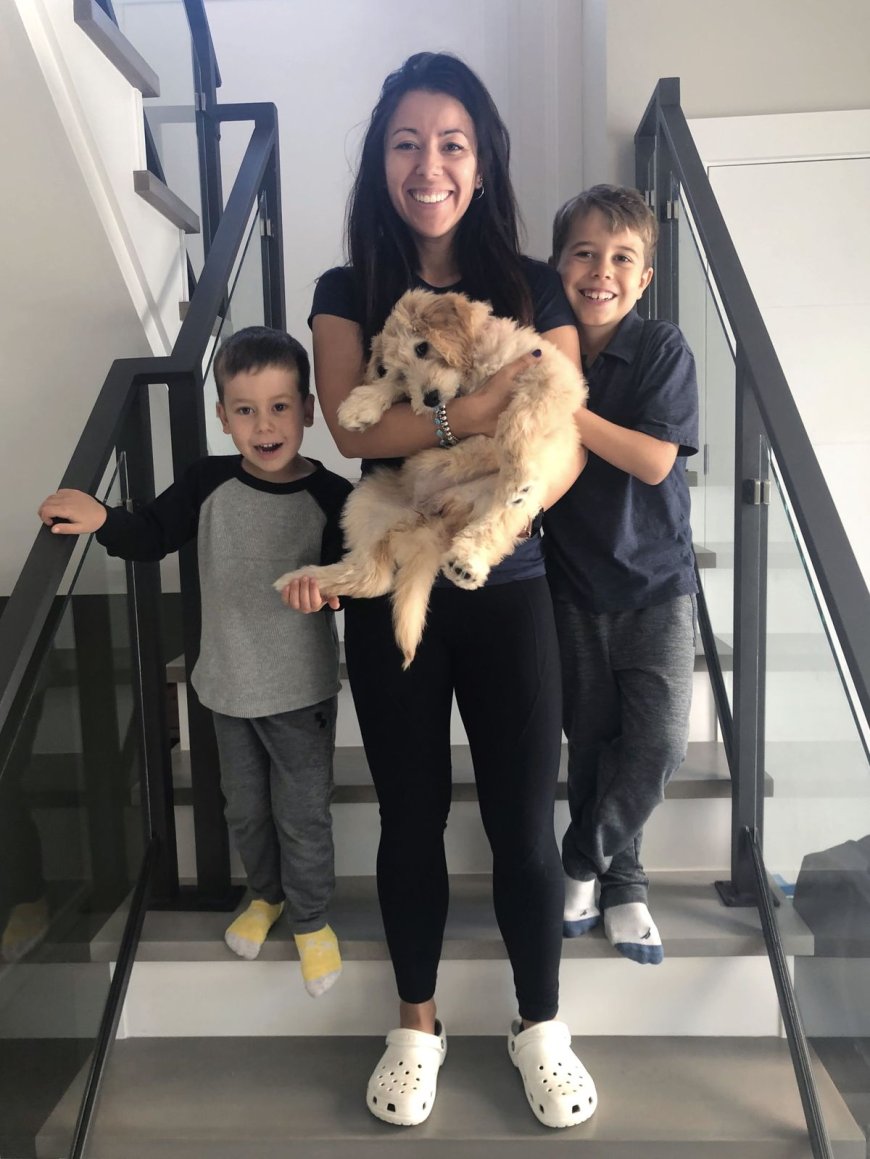
The single biggest favor you can do for yourself is to have the house ready before pickup day. Not almost ready. Actually ready.
Golden Retriever puppies are curious, mouthy, and faster than they look. A power cord left on the floor is a chewed power cord. A shoe in the hallway won't survive the night. Walk through your home at puppy-height, which means literally crouching down, and remove anything chewable from reach. Cabinet locks in the kitchen and bathroom take ten minutes to install and are absolutely worth it.
Here's what needs to be physically set up before your puppy walks through the door:
The crate. Get one that fits your puppy now, not the size they'll be at 18 months. A crate that's too large actually makes house training harder because puppies will use one end as a bathroom and sleep on the other. Many owners buy a larger crate with a divider panel that can be moved back as the puppy grows. Cover three sides with a blanket to make it feel more den-like, and plan to put it in your bedroom for the first few weeks. Ellie's first crate sat right next to my bed. That proximity made a bigger difference in how quickly she settled at night than I expected.
Two stainless steel or ceramic bowls. One for food, one for water. Skip plastic; some dogs develop contact dermatitis from plastic bowls and they also harbor bacteria more easily. Flat bowls on the floor work fine for Golden puppies. Don't overthink this one.
Baby gates. At least two. One for the stairs and one to section off part of the house. Goldens don't instinctively know they're supposed to stay out of the laundry room. That's a lesson you teach them, and it takes time. The gate buys you that time.
A few supplies worth having on day one:
- 6-foot leash (not retractable; save those for later)
- Flat buckle collar in a puppy size
- ID tag with your phone number, already engraved
- Enzymatic cleaner for accidents (Nature's Miracle or similar)
- Puppy pads, optional but useful in colder climates
- A chew-safe toy or two (Kongs and rope toys hold up well)
2. What to Expect in the First 48 Hours
Your puppy is overwhelmed. They've just left their mother, their littermates, and every smell they've ever known. Some Golden puppies bounce in like they own the place immediately. Others go quiet and spend the first day watching everything with wide eyes.
Both responses are normal.
Resist the urge to introduce your puppy to every person who wants to meet them in the first two days. I know that's hard when you're excited and everyone else is too. But those first 48 hours should be about your puppy getting used to your house, your smells, and your routine. Limit visitors. Let them breathe.
Keep the energy calm. Golden puppies sleep between 16 and 18 hours a day at 8 weeks old, which surprises a lot of first-timers. That much sleep isn't a sign something's wrong; it's how they process and grow. Let them rest as much as they need to.
Two things matter most in those first two days:
Starting the crate. Toss treats near the crate, then inside it. Let your puppy wander in and out on their own. Put a Kong in there and leave the door open. Do not use the crate as a consequence for bad behavior. Ever. It needs to stay a good place, because if your puppy learns that the crate means punishment, the whole thing falls apart. Ellie took about five days to stop whimpering at bedtime, which is pretty typical for Goldens. Stay the course.
Starting the potty routine. Take your puppy outside every 45 to 60 minutes, right after every meal, and immediately after every nap. Every time, without exception. When they go outside, praise them like they've done something extraordinary. Because for an 8-week-old puppy, getting it right actually is impressive. Consistency here in the first week sets the tone for months.
3. The First Month: Where to Put Your Energy
A lot of new puppy content throws 20 things at you and doesn't tell you which ones matter most. Here's where to focus in the first four weeks.
Book the vet appointment within three to five days. Your breeder should send you home with a health record showing any vaccinations already given. A good vet will review that history, do a full physical, and lay out a vaccination schedule for the weeks ahead. Golden Retriever puppies need their core vaccines, typically a combination covering distemper, parvovirus, and adenovirus, in a series starting around 6 to 8 weeks with boosters every three to four weeks until about 16 weeks. Rabies is added around 12 to 16 weeks depending on your location's requirements. Don't wait two weeks to book this appointment. Parvo in particular is serious and entirely preventable. You can find more detail on vaccination timing and what each vaccine covers over at Golden Retriever Info [INTERNAL LINK: goldenretrieverinfo.com/golden-retriever-puppy-vaccination-schedule].
Feed a large-breed puppy formula. Adult food or generic puppy food isn't the right choice for a Golden at this stage. Large-breed formulas are calibrated to support controlled bone growth, which matters for a breed with a real predisposition to hip and joint issues. Three meals a day is standard for 8 to 12 week old pups, dropping to two meals after around three months. The portion guide on the bag is a starting point. Your vet can help you adjust as your puppy grows, because Golden puppies gain weight fast and feeding needs shift often in the first six months.
One thing that trips people up: put the food down, let your puppy eat, and pick the bowl back up after 15 to 20 minutes. Free-feeding, meaning leaving food available all day, makes house training significantly harder. If you don't know when they ate, you can't predict when they need to go out.
Start basic obedience now. Golden Retrievers are fast learners, even at 8 weeks. Sit, stay, come, and leave it are the four commands worth introducing in the first month. Keep sessions to five minutes at a time. More frequent short sessions beat one long frustrating one, every time.
The biggest mistake people make with early training is inconsistency. If your puppy jumps on you and you redirect them, but a visitor lets them jump and thinks it's cute, your puppy learns that jumping sometimes works. And a behavior that sometimes works is very hard to undo. Everyone in the house needs to agree on the rules from day one, because Golden Retrievers are smart enough to notice when the rules change depending on who's in the room.
Prioritize socialization. This is genuinely time-sensitive. The primary socialization window closes around 12 to 16 weeks, and what a puppy is exposed to during that window shapes how they respond to the world as an adult. Before your puppy's vaccine series is complete, you can still socialize safely. Carry them to new environments so they experience sights and sounds without touching potentially contaminated ground. Invite vaccinated, calm adult dogs for short playdates. Expose them to kids, men in hats, umbrellas, skateboards, and yes, the vacuum cleaner. The goal is a dog that approaches the unfamiliar with curiosity rather than fear. Golden Retriever Info covers the full socialization timeline and what to target in each developmental stage [INTERNAL LINK: goldenretrieverinfo.com/golden-retriever-puppy-socialization-guide].
4. Where New Golden Owners Usually Go Wrong
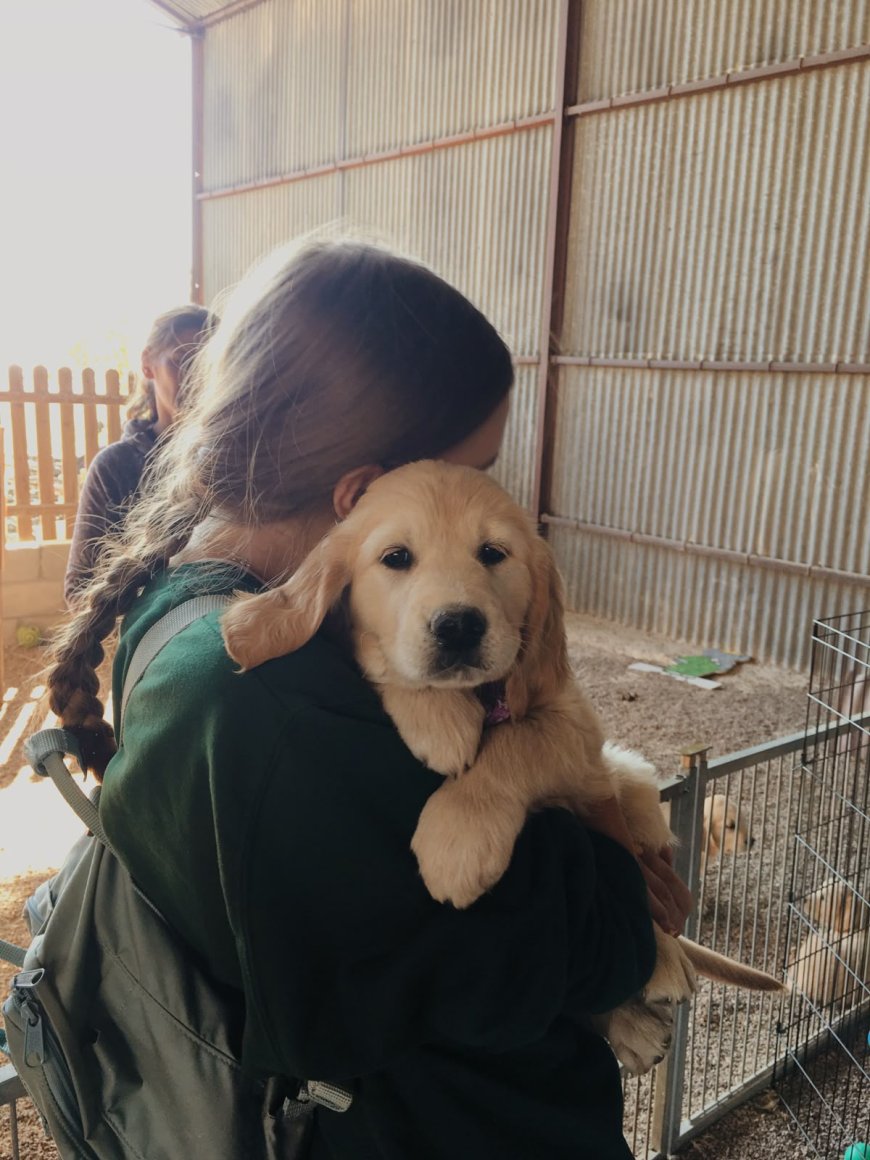
A few patterns keep coming up with new puppy owners, and they're worth naming directly.
Giving up on the crate too soon. Ellie cried the first three nights. A lot. I felt absolutely terrible about it. But I also understood that teaching her the crate was safe was the most important thing I could do for her long-term. Dogs that learn to settle in their crate early almost always become dogs that willingly retreat to it when they need to decompress. It's worth staying consistent even when it's hard to hear.
Over-exercising a young puppy. Golden Retrievers are an active breed and new owners often want to take them everywhere. A general guideline is five minutes of structured exercise per month of age, so an 8-week-old can handle about ten minutes of walking at a time. More than that, especially on hard surfaces, stresses developing joints. Let your puppy romp in the yard. Just keep structured walks short for now. You'll cover exercise needs and safe activity levels in more detail at [INTERNAL LINK: goldenretrieverinfo.com/how-much-exercise-does-a-golden-retriever-puppy-need].
Mistaking normal puppy biting for aggression. All puppies mouth and nip. Golden puppies especially use their mouths to explore everything, and it can get intense around 10 to 14 weeks. The goal isn't to stop mouthing immediately but to teach bite inhibition gradually. When your puppy bites too hard, let out a sharp, high-pitched yelp and stop play for 30 seconds. Consistent repetition over several weeks does work, though not overnight.
Skipping the ID tag. Golden puppies are curious and faster than you expect. The collar and tag combination is cheap, takes five minutes, and could genuinely save your dog's life. Get it on before the first walk outside.
The Complete New Puppy Checklist at a Glance
BEFORE PUPPY COMES HOME
[ ] Crate with divider panel
[ ] Two stainless steel or ceramic food/water bowls
[ ] Large-breed puppy kibble
[ ] Flat buckle collar in a puppy size
[ ] ID tag with your phone number
[ ] 6-foot leash
[ ] Enzymatic cleaner
[ ] Puppy-safe chew toys (Kong, rope toys)
[ ] Baby gates (minimum two)
[ ] Puppy pads (optional)
[ ] Blanket or cover for three sides of crate

FIRST 48 HOURS
[ ] Vet appointment booked within 3 to 5 days
[ ] Crate introduction started with positive associations
[ ] Potty routine established (outside every 45 to 60 min)
[ ] Feeding schedule set (3 meals per day)
[ ] Visitors kept limited to let puppy decompress

FIRST MONTH
[ ] First vet visit completed
[ ] Vaccination schedule confirmed and calendar marked
[ ] Basic commands introduced (sit, stay, come, leave it)
[ ] Socialization exposures planned and started
[ ] Crate training maintained consistently
[ ] Exercise kept to 5 min per month of age rule
[ ] Feeding routine kept structured (no free-feeding)
FAQs
When is the right time to start training a Golden Retriever puppy?
Right when you bring them home. Puppies as young as 7 to 8 weeks can learn basic commands, and the earlier you start, the easier it is. Waiting until they're a few months old is a common mistake; by then, they've already formed habits. Keep sessions to five minutes, use high-value treats, and keep it positive.
How often should my puppy eat during the first few weeks?
Three meals a day is standard from 8 to 12 weeks, then two meals a day after that. Use a large-breed puppy formula and measure portions according to your puppy's current weight, not their projected adult size. Adjust with your vet's guidance every few weeks as they grow. Golden puppies develop fast and feeding amounts shift often in the first six months.
Is it normal for my puppy to cry all night in the crate?
For the first week or so, yes. Your puppy is adjusting to sleeping without their littermates and everything familiar. Placing the crate in your bedroom where they can hear and smell you helps considerably. Avoid letting your puppy out the moment they start crying or barking; this teaches them that making noise gets results. It takes consistency, but most puppies settle within one to two weeks.
What vaccinations does a Golden Retriever puppy need in the first few months?
Core vaccines include the DA2PP combination (covering distemper, adenovirus, parvovirus, and parainfluenza) given in a series starting around 6 to 8 weeks, with boosters every three to four weeks until 16 weeks. Rabies is added at 12 to 16 weeks depending on your local regulations. Your vet will also discuss optional vaccines like Bordetella or Lyme based on your environment. Don't delay the series; parvovirus is serious and a significant risk to unvaccinated pups.
How do I know if my Golden Retriever puppy is a healthy weight?
You should be able to feel your puppy's ribs without pressing hard, but they shouldn't be visible from across the room. A slight waist visible from above is a good sign. If your puppy is consistently leaving food or seems constantly hungry and unfocused, adjust portions and mention it to your vet at the next visit.
The first few weeks with a Golden Retriever puppy are genuinely one of the most joyful, exhausting things you'll ever do. The scramble is real. The sleep deprivation is real. And so is watching that little pup figure out their name, settle into their crate without a fuss, and sleep curled up against your feet.
Get the supplies ready. Nail the basics early. And when it feels like too much, which it will at least once, remember that this stage goes faster than you think. Ellie is a senior now and I'd give anything to have those first chaotic weeks back.
Golden Retriever Info is here whenever you need more specific guidance on feeding, health, and what's coming next as your puppy grows.
What's Your Reaction?
 Like
0
Like
0
 Dislike
0
Dislike
0
 Love
0
Love
0
 Funny
0
Funny
0
 Angry
0
Angry
0
 Sad
0
Sad
0
 Wow
0
Wow
0