
















Why Golden Puppies Chew Everything in Sight

Golden Retriever puppies chew. Shoes, furniture legs, remote controls, baseboards, the corner of a couch cushion they somehow located within twelve hours of arriving home. If it's within reach, it's a candidate. If it smells like you, it moves to the top of the list.
When Ellie was young, I came home one afternoon to find she'd worked through about five inches of a wooden chair leg. Her toy basket was two feet away, untouched. The chew I'd left out for her, also untouched. The chair leg, which had never done anything to anyone, was gone.
Most people explain this away as "just teething." And they're not wrong, exactly. But they're not getting the full picture, and that incomplete explanation is part of why the chewing doesn't stop when the teething does.
1. The Teething Story Is Only Half the Answer
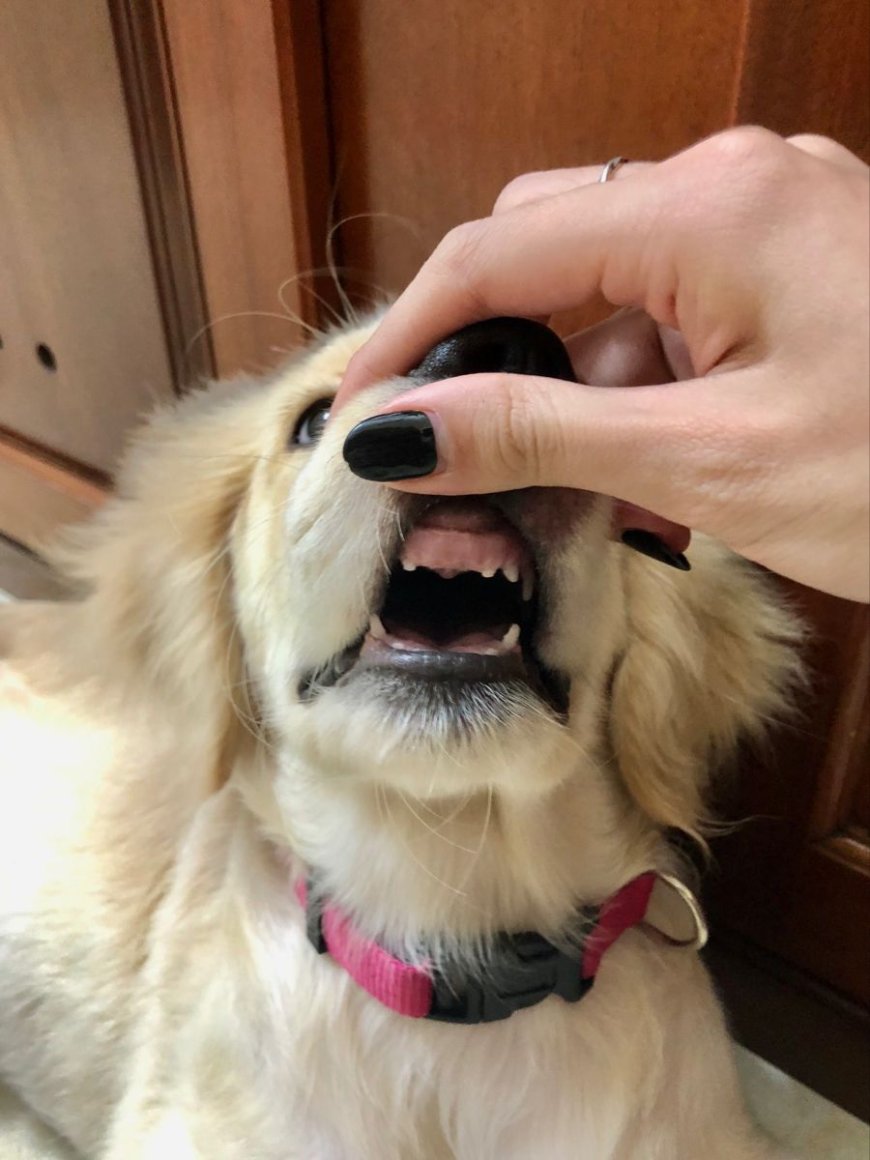
Yes, teething drives a significant amount of puppy chewing. Between three and six months, Golden puppies are losing their baby teeth and growing in adult ones. Their gums are uncomfortable. Chewing provides real, physical relief, and puppies do a lot of it during that window.
But teething ends at around six months. The chewing usually doesn't.
I've heard from a lot of owners over the years who waited out the teething phase expecting everything to settle down afterward. Some of them were surprised when their eight or nine-month-old was still finding creative ways to dismantle the house. Nothing was medically wrong. The teething was long finished. They'd just been operating on the assumption that teething was the whole explanation, so once it ended, the chewing should end too.
That's not how it works. Teething is one piece of a larger picture, and treating it as the complete answer means you're not addressing the other pieces at all.
2. Goldens Were Built to Use Their Mouths
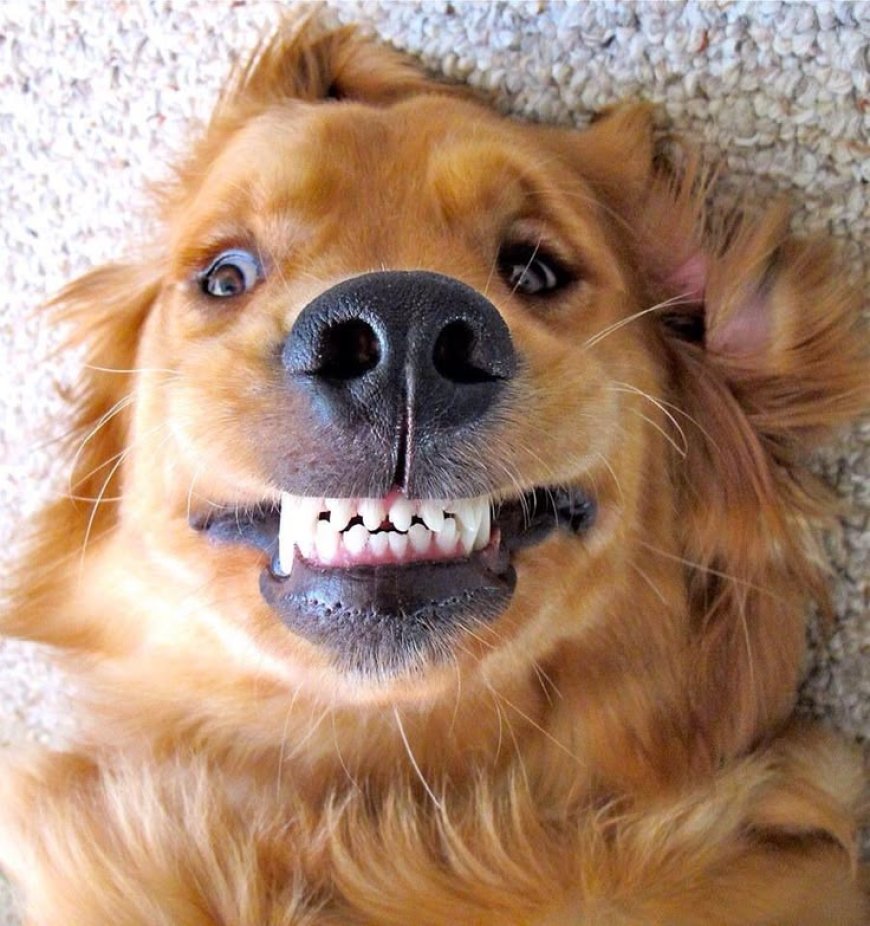
This context gets skipped in most conversations about puppy chewing, and I think it's actually the most important thing to understand.
Golden Retrievers were developed specifically to retrieve game birds from water and field without damaging them. That required a breed with extremely high oral drive, sustained mouth focus, and what's called a "soft mouth," meaning enough bite control to carry a bird gently but enough persistence to hold on through difficult terrain. These were carefully selected traits bred across generations.
What this means for your puppy is that the oral fixation isn't a behavioral problem or a training failure. It's woven into the genetics of the breed. Goldens use their mouths the way other dogs use their noses. It's one of their primary ways of interacting with the world, exploring something new, carrying things around, self-soothing.
You're not dealing with a naughty dog. You're dealing with a dog doing exactly what its breed history prepared it to do.
This doesn't mean you accept furniture destruction as inevitable. It means that managing chewing correctly requires working with the breed instinct rather than just labeling the behavior as bad and correcting it without context. The Golden Retriever Breed Knowledge section at Golden Retriever Info goes deeper on the history and inherited traits that shape Golden behavior, if you want that background.
3. What's Actually Driving It (Usually More Than One Thing at Once)
Teething and breed instinct form the foundation. But several other real factors layer on top of them, and most chewing puppies have a combination of these running simultaneously. This is why the "just wait for teething to end" approach fails.
Insufficient exercise moves higher on the list than most people expect. Golden Retriever puppies have genuine energy needs even before they're old enough for long runs. A puppy who hasn't been adequately exercised will find an outlet for that energy, and chewing is physical, satisfying, and always available. The pattern of "minimal exercise day" being followed closely by "discovered something chewed" is one I noticed with Ellie more times than I'd like to admit.
Boredom and mental under-stimulation compound the exercise issue. Golden puppies are intelligent. They need training sessions, scent games, puzzle feeders, new things to learn. Without that engagement, a smart puppy fills the gap with whatever is interesting in their environment, and the corner of your dining room table is genuinely interesting to a bored Golden.
Anxiety is the one that gets missed most often. Some puppies chew specifically when they're stressed, during periods of separation, after overstimulating experiences, or when something in the household feels unsettled. If you notice chewing tends to spike specifically when you leave, or after a chaotic afternoon, that pattern is worth paying attention to separately from the other causes.
And underneath all of it, normal developmental behavior. Even a well-exercised, well-stimulated Golden puppy who has completely finished teething chews, because it's a species-typical behavior in young dogs. Some amount of chewing is developmentally expected regardless of everything else you do. That's not a failure. It's just a puppy.
Here's a quick reference to help sort out what you might actually be dealing with:
POSSIBLE CAUSE          SIGNS TO LOOK FOR                WHAT GENERALLY HELPS
---------------------------------------------------------------------------
Teething (3-6 mo)       Loose teeth, drooling, gum        Cold rubber chews,
                        redness                           frozen treats
Insufficient exercise   Worse on low-activity days        Longer walks, play sessions
Boredom/understimulat.  Escalates during downtime         Training, puzzle feeders
Anxiety                 Spikes when you leave home        Crate work, gradual alone time
Breed/developmental     Consistent regardless of above    Redirect to appropriate toys
---------------------------------------------------------------------------
More on puppy development stages and how to support them is in the Golden Retriever Puppy Guide section here at Golden Retriever Info.
4. The Owner Habits That Make It Worse
This is the part I wish someone had told me earlier, because I made a few of these mistakes with Ellie and watched them become harder problems to untangle.
Giving too many toys at once seems generous but it backfires. The instinct is to load up on chews and toys so the puppy always has something appropriate to put in their mouth. But when thirty toys are always available, "appropriate toy" stops meaning anything to them. They lose the ability to distinguish between what's theirs and what isn't, because everything has the same status. Rotating a small selection of three or four toys, swapping them out regularly, keeps specific toys interesting and helps the concept of "this is yours to chew" actually land.
Giving old shoes or clothing as chew items. I did this. Ellie was young, I had a ratty old sneaker I was throwing out anyway, and I thought it would keep her occupied. What it taught her was that shoes are chew items. Dogs cannot distinguish between the ratty old sneaker you offered and the new pair sitting by the door. They just learn "shoes: allowed." Every experienced Golden owner I've talked to lands on the same position about this: never give clothing or shoes as chew toys. Not once.
Reacting with big energy to accidents, even negative energy. Golden puppies are social and attention-seeking. A large emotional reaction to catching them with something off-limits can accidentally reinforce the behavior. They don't parse your upset the way you intend them to. What registers is "that item produced a very strong response from my person," which makes the item more interesting, not less. The most effective response is a calm, immediate redirect to an appropriate chew. Boring and consistent beats dramatic every time.
Waiting for teething to pass and expecting it to all resolve on its own. I covered this earlier but it's worth saying again here because the habit that forms during the chewing phase is what you're left managing after teething ends. Establishing chewing boundaries during the peak phase is significantly easier than trying to undo months of unchallenged habit later.
The Golden Retriever Training page at Golden Retriever Info has foundational training approaches that work alongside what's described here, particularly around redirection and building consistent habits.
FAQs
My Golden is eight months old and still chewing constantly. Should he be past this by now?
Not necessarily. Some Goldens maintain heavy chewing well past six months, especially if the habit wasn't consistently redirected during the teething phase. An eight-month-old with access to appropriate chews who hasn't been taught the difference between what's theirs and what isn't will keep at it. Start the rotation approach now, tighten supervision, and be consistent. It's not too late to reshape the habit.
I leave chew toys out and my puppy ignores them but chews everything else. Why?
Usually one of two things. The toys available aren't compelling enough for that particular puppy (not all textures and materials work for all dogs), or the "forbidden" items carry your scent and are therefore more interesting than a clean toy from the store. Try toys that can hold food, like a stuffed KONG, to make the appropriate option more rewarding than the chair leg.
My puppy only chews when I'm out of the room. What's that about?
That pattern points to either mild separation anxiety or the puppy specifically self-regulating by chewing when stressed about your absence. Addressing the anxiety directly, through crate training as a positive den space and gradual alone-time practice, tends to help more than just adding more toys to the room. The chewing is a symptom here, not the root cause.
Is destructive chewing ever a sign of a health problem?
Pica, which is the compulsive consumption of non-food items like fabric, rocks, or plastic, is different from normal chewing and warrants a vet conversation. A puppy who is chewing and swallowing large quantities of non-food material is at real risk for intestinal blockages. Normal chewing is gnawing on surfaces; what you're watching for is actual ingestion of things that aren't food.
How long does the heavy chewing phase typically last?
Most Golden puppies move through the worst of the chewing phase by twelve to fourteen months, though some remain enthusiastic chewers well into their second year. The severity tends to reduce as exercise needs are met more fully and the habit becomes redirected over time. Goldens who retain a high oral drive often do well with a chew available for the rest of their lives, which is fine and actually healthy for their teeth.
The chewing isn't defiance and it isn't spite. It's not a verdict on you as a dog owner. It's a young Golden Retriever doing what Golden Retrievers do, and it's been happening since someone decided to breed a dog specifically for carrying things in their mouth across long distances.
What changes the outcome is redirecting it consistently, every single time, for longer than feels necessary. And then one afternoon you look up and realize the chair legs are intact, the remote is where you left it, and your Golden is peacefully working through a bully stick on their bed.
That's the goal. It takes a while to get there, but it does happen.
What's Your Reaction?
 Like
0
Like
0
 Dislike
0
Dislike
0
 Love
0
Love
0
 Funny
0
Funny
0
 Angry
0
Angry
0
 Sad
0
Sad
0
 Wow
0
Wow
0